
Laminating Machines

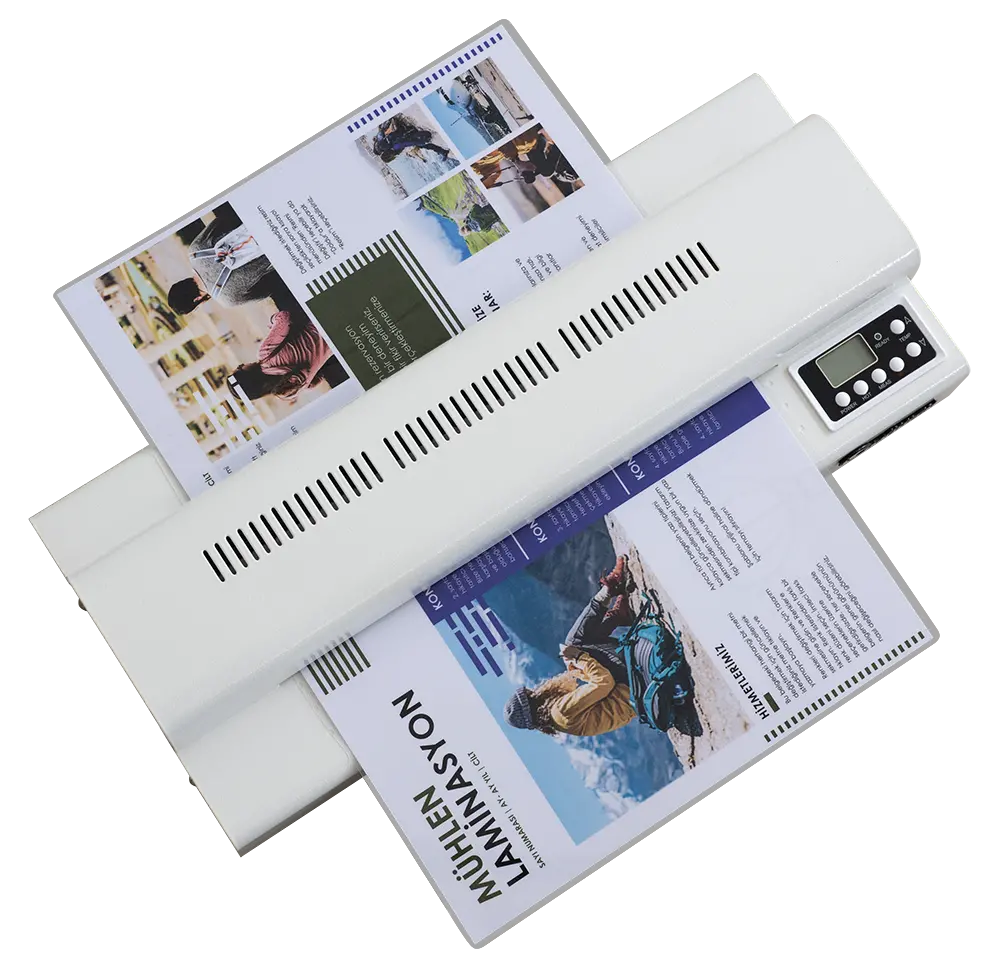
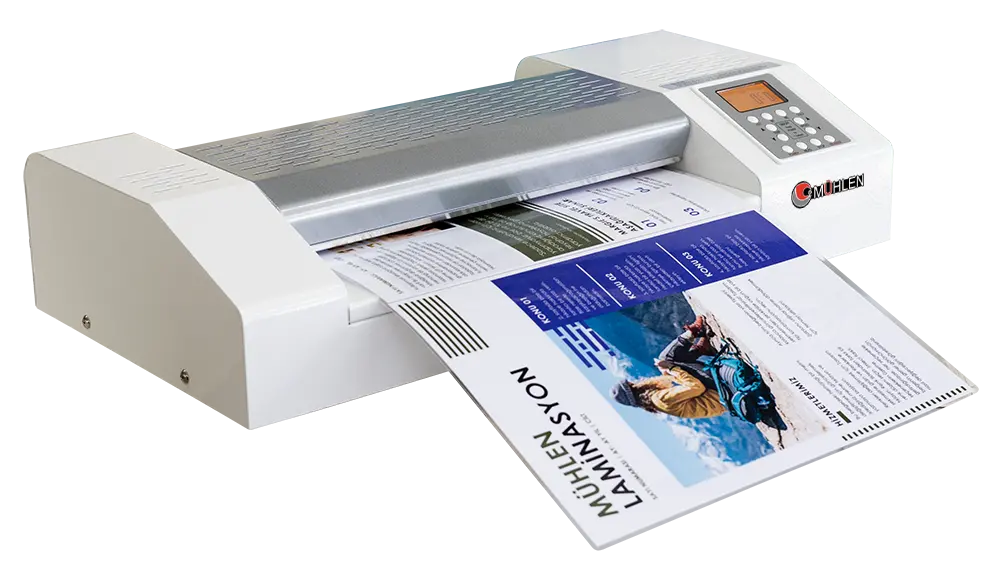
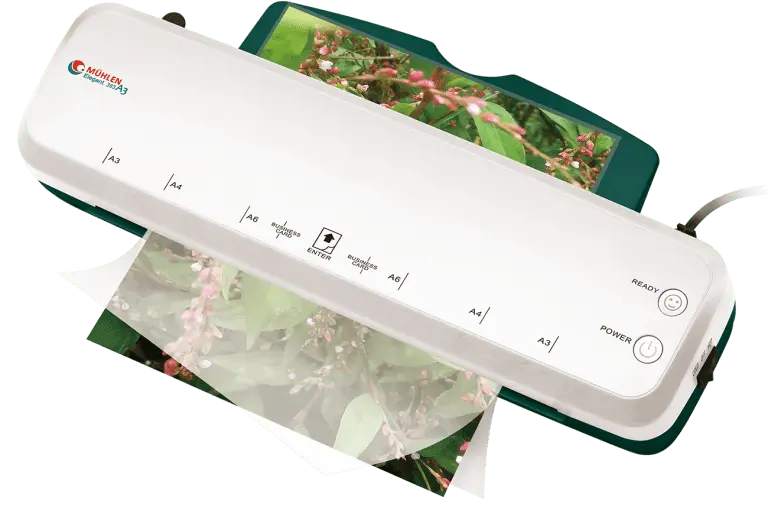
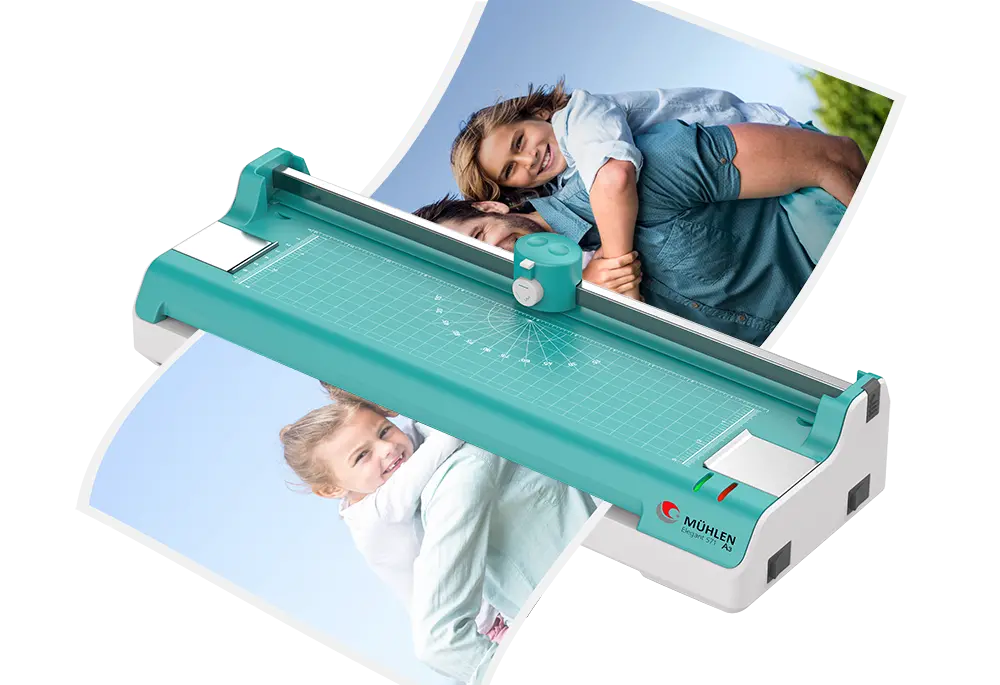
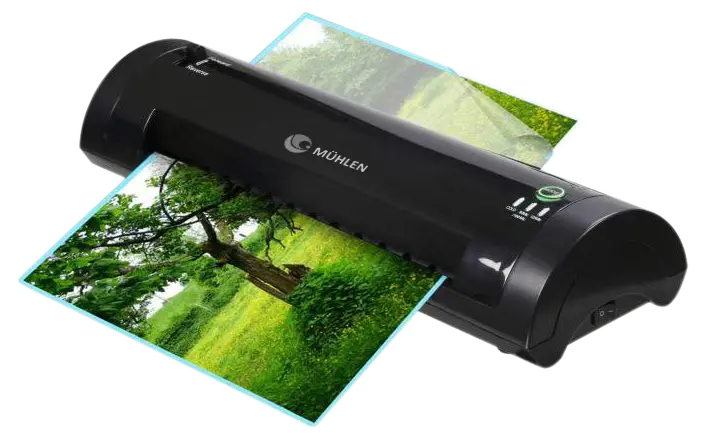
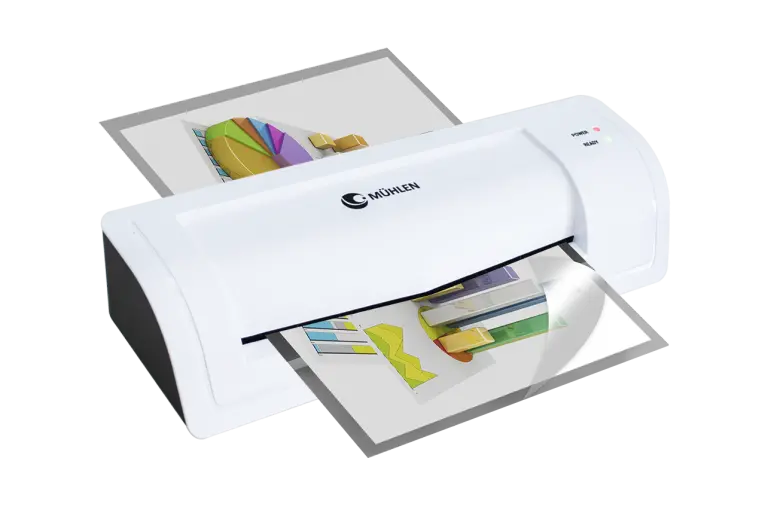
Mühlen laminating machines offer professional coating solutions for homes, schools, offices, stationery shops, print shops and corporate businesses that want to protect documents, IDs, menus, posters, cards, educational materials and presentation files with PVC film.

We ship internationally on request — delivery time and cost are confirmed before your order.Details

Which laminator is right for you?

Tell us what you laminate and how many sheets a day, and we will decide together.
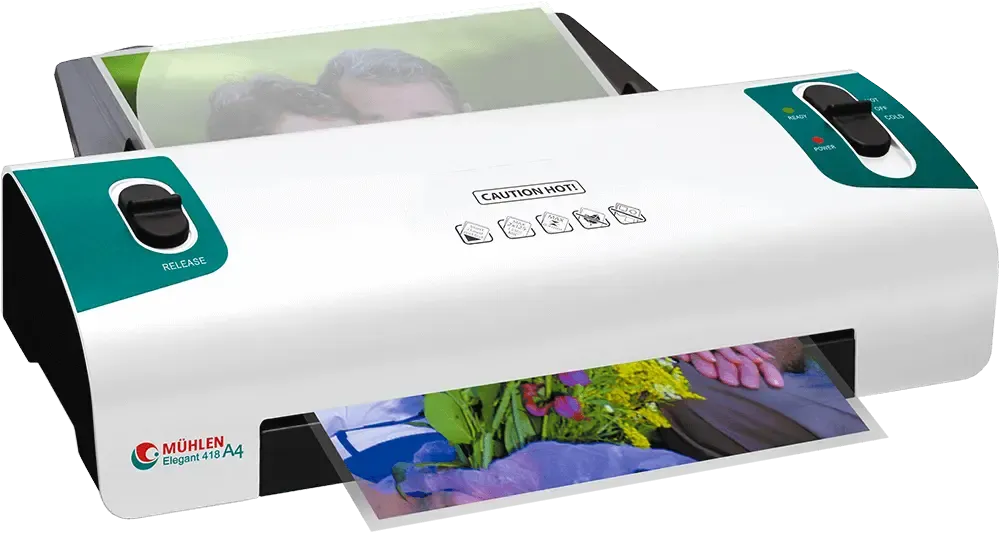
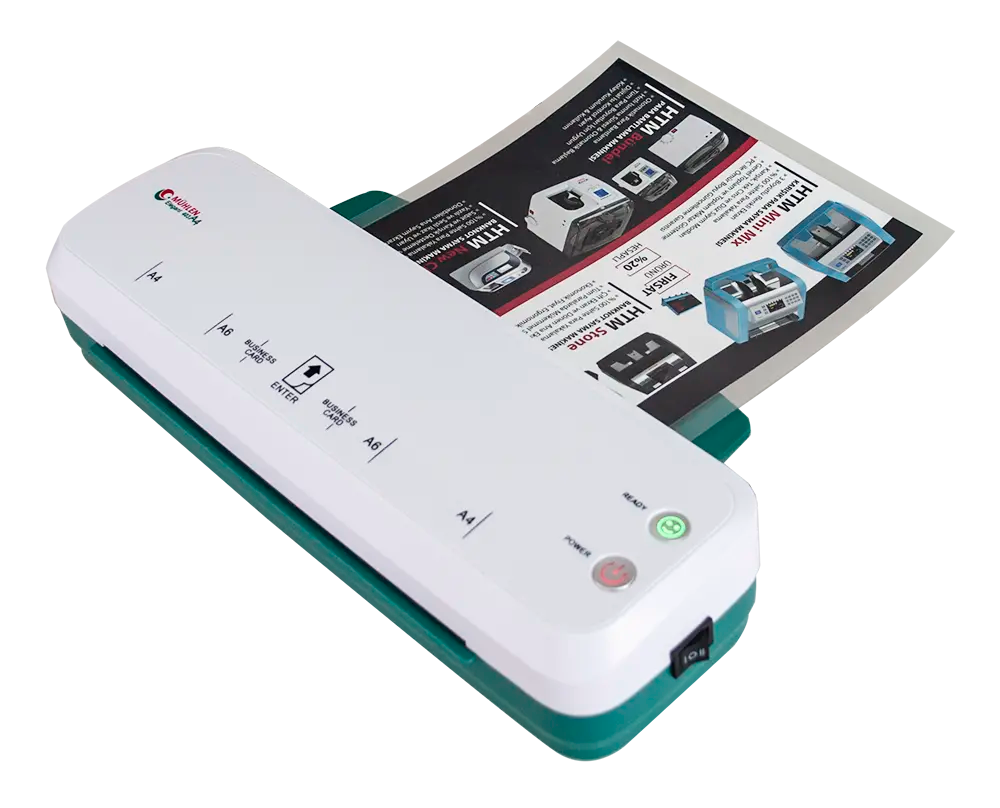
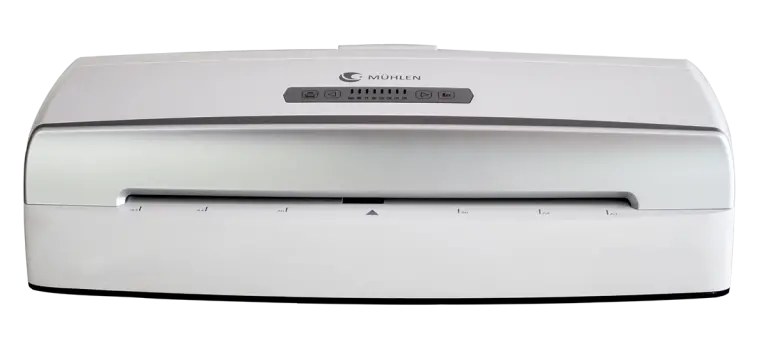
Mühlen Elegant 418
Mühlen Elegant 418
Request a quote
Mühlen Elegant 403
-25%Mühlen Elegant 403
₺2.000₺1.500
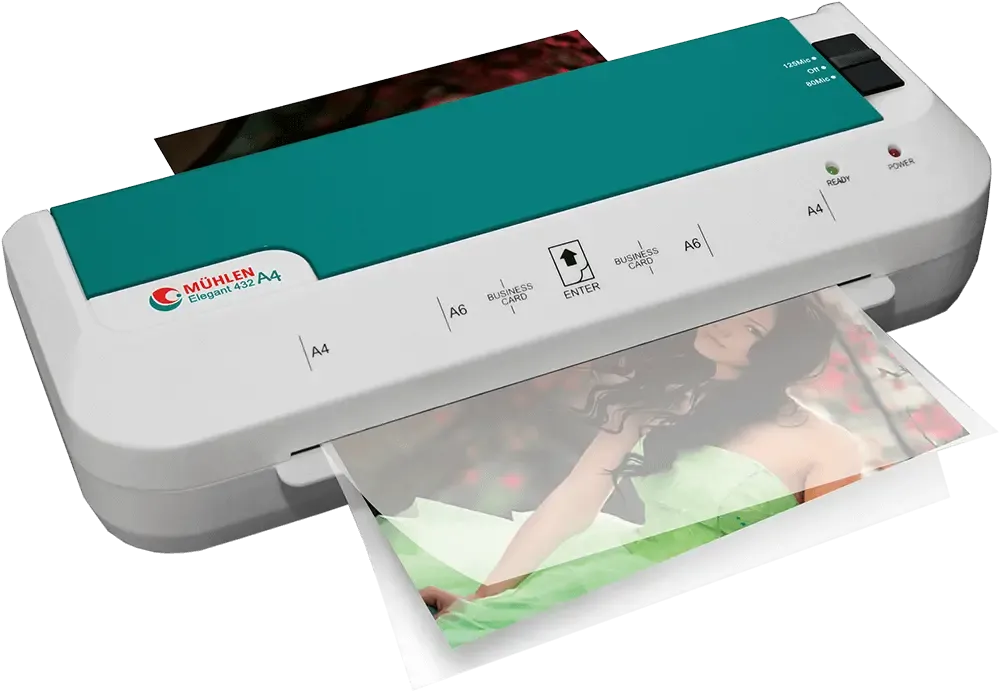
MÜHLEN Elegant 432
Mühlen Elegant 432
Request a quote
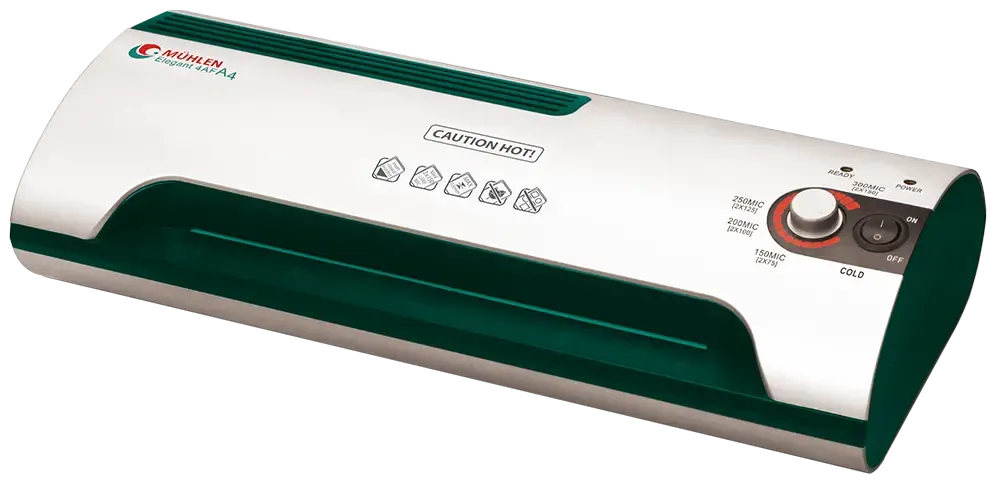
Mühlen Elegant 4AF
Mühlen Elegant 4AF
Request a quote
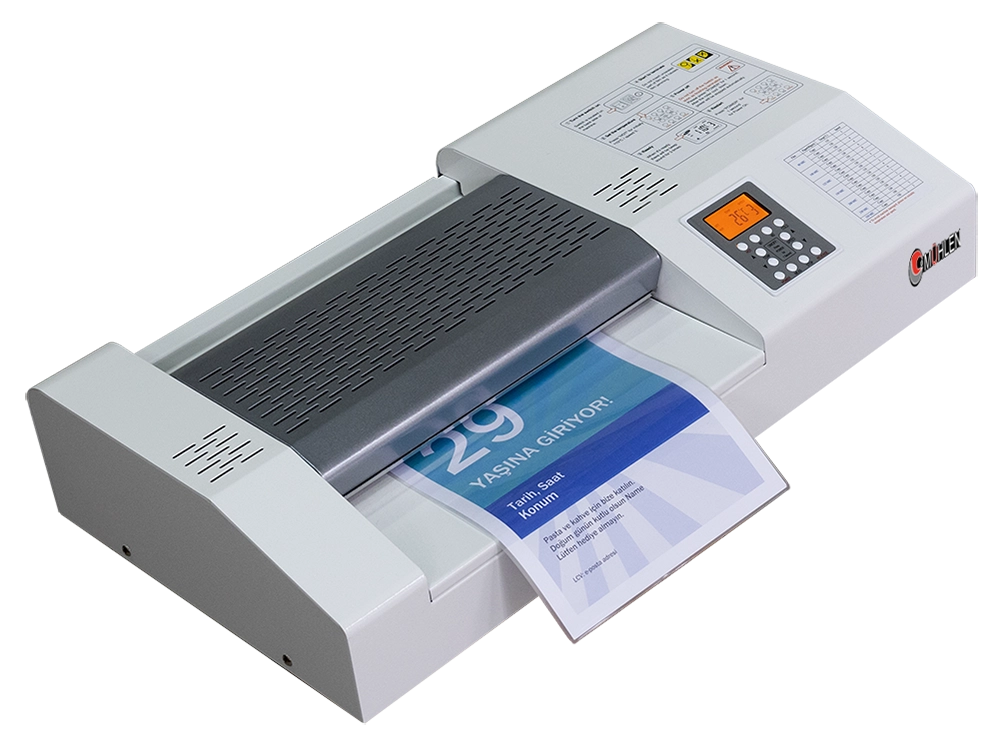
Mühlen FLEX R10-330S
Request a quote
Mühlen FLEX R4-330B
Mühlen FLEX R4-330B
Request a quote
Mühlen FLEX R6-330C
Mühlen FLEX R6-330C
Request a quote
Mühlen FLEX R6-480C
Mühlen FLEX R6-480C
Request a quote
MÜHLEN V27-32
Mühlen V27-32 A3
Request a quote
Mühlen V27-45 A2
Mühlen V27-45 A2
Request a quote
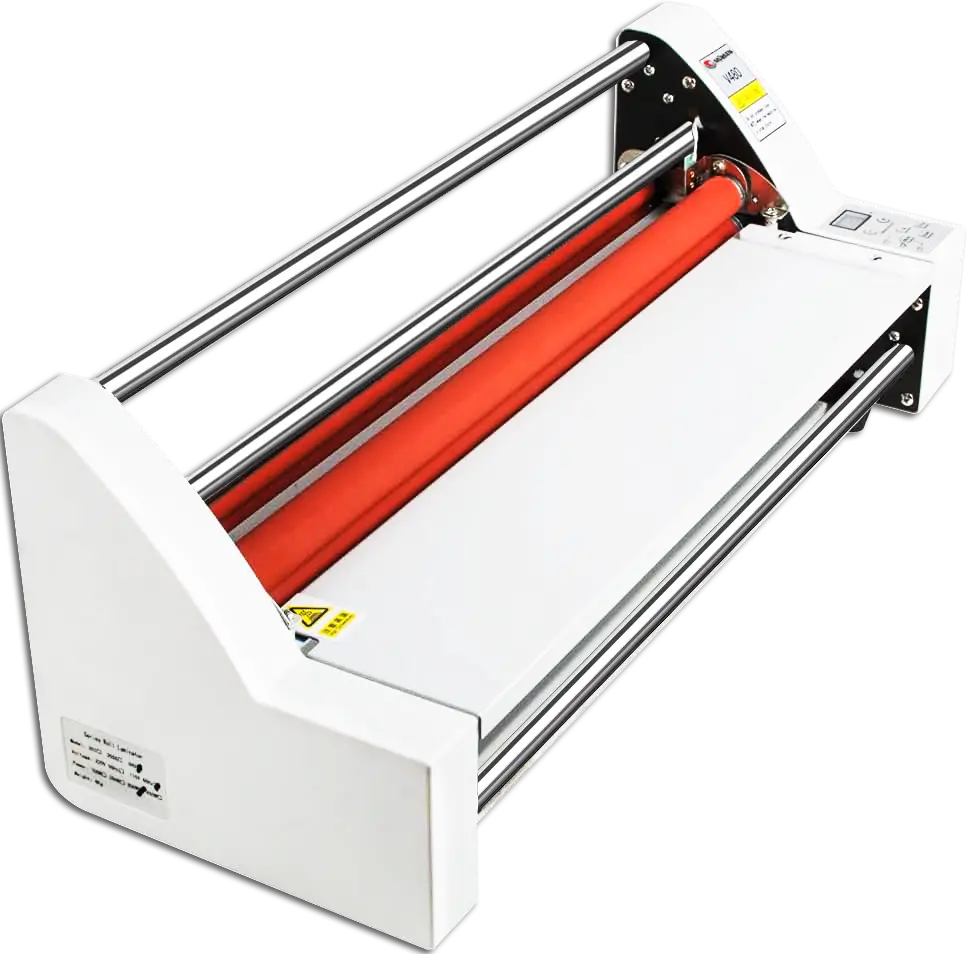
Mühlen V480
Mühlen V480
Request a quote
Mühlen V761
Mühlen V761
Request a quote
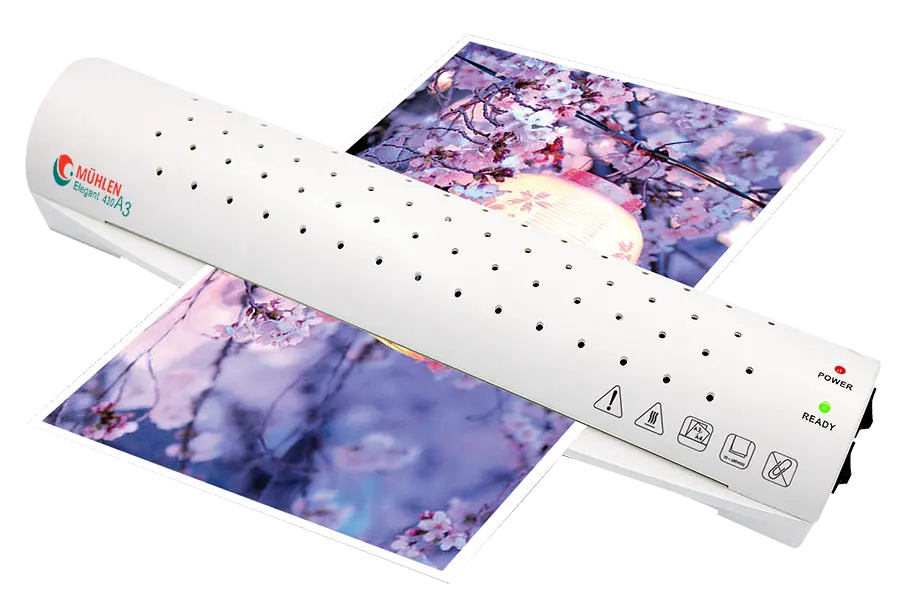
Mühlen Elegant 430-A3
Request a quote
Mühlen Elegant 571
-40%Mühlen Elegant 571
₺5.000₺3.000
Mühlen Elegant DL 805
Request a quote
Mühlen Elegant 3AF
Mühlen Elegant 3AF
Request a quote
Mühlen Iron 630-A3
-33%Mühlen Iron 630-A3
₺15.000₺10.000
Mühlen Iron 635-A3
Mühlen Iron 635-A3
Request a quote
MÜHLEN Elegant VL-602
Mühlen Elegant VL-602
Request a quote
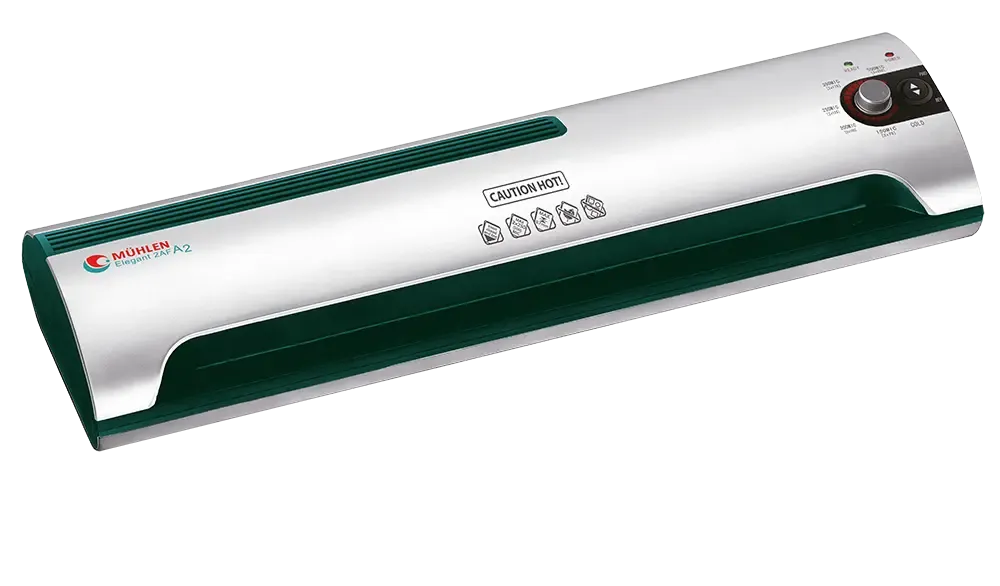
Mühlen Elegant 2AF
Mühlen Elegant 2AF
Request a quote
MÜHLEN Iron 650-A1
Mühlen Iron 650-A1
Request a quote
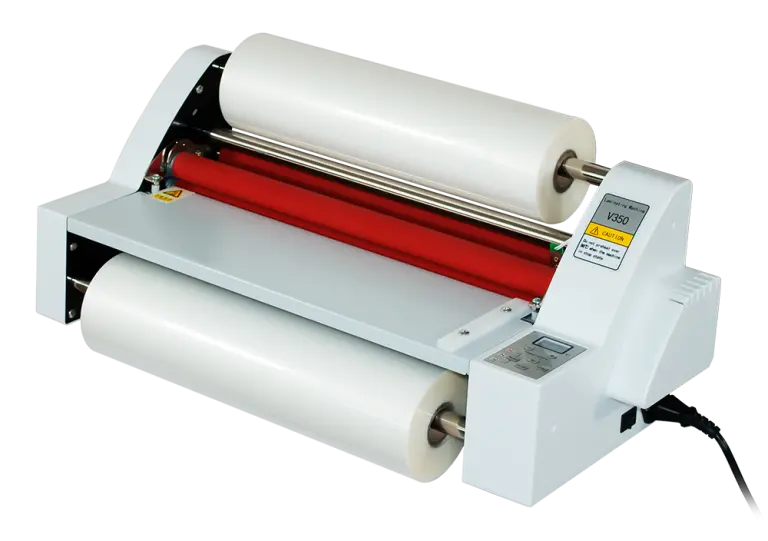
Mühlen V350
Mühlen V350
Request a quote
MÜHLEN Beutel XXX
Mühlen Beutel XXX
Request a quote

Let us help you choose a model

A4 or A3, how many sheets a day, which film thickness? Send us these three details and we will review the models that suit your work.

Category Summary

For low-volume office and home use, the Elegant economy series stands out; for stationery shops, schools and regular office use, A3 models are preferred; and for intensive professional use and large-format jobs, the Iron, VL and V series lead the way. You may also consider the guillotine cutting machines category for trimming documents before laminating, the binding machines category for preparing presentation files, and the paper shredder machines category for securely destroying old documents.

Laminating Machine Selection Guide

The right laminating machine should be chosen based on the size of the document to be laminated, frequency of use, film thickness, warm-up time, pass-through speed and professional work volume. A4 models may be sufficient for home and small office use, while A3 size, faster warm-up, a non-crushing pass-through structure, automatic feeding and large-format support become more important for schools, stationery shops, print shops, photocopy centers and corporate offices.

Which Model Should You Choose for Which Use?

Use Cases

  • Document protection: Laminating protects ID copies, education cards, certificates, price lists and frequently used documents against moisture, dirt, wear and fading.
  • Schools and educational institutions: A4 and A3 laminating machines provide a practical solution for classroom materials, announcements, cards, worksheets and signage.
  • Stationery and photocopy centers: Fast-heating A3 models suitable for regular use should be preferred for laminating customer jobs, menus, documents, cards and visuals.
  • Print shops and professional printing: Professional and automatic systems save time for higher-volume jobs requiring large format or cellophane film.
  • Restaurant, hotel and retail use: Laminating can be applied to menus, price tags, signage, instructions and campaign visuals so they last longer.

Features to Consider When Buying a Laminating Machine

  • Document size: Choose A4 for small documents only, A3 for menus and larger office documents, and A1/advanced models for posters and large jobs.
  • Film thickness: The micron value of the laminating film to be used must be compatible with the range supported by the machine.
  • Warm-up time: For frequent use, fast-heating models reduce waiting time.
  • Pass-through speed: In stationery shops, schools and print centers, laminating speed per minute directly affects efficiency.
  • Roller and pressure structure: Roller quality and pressure structure are important for better lamination and less wrinkling.
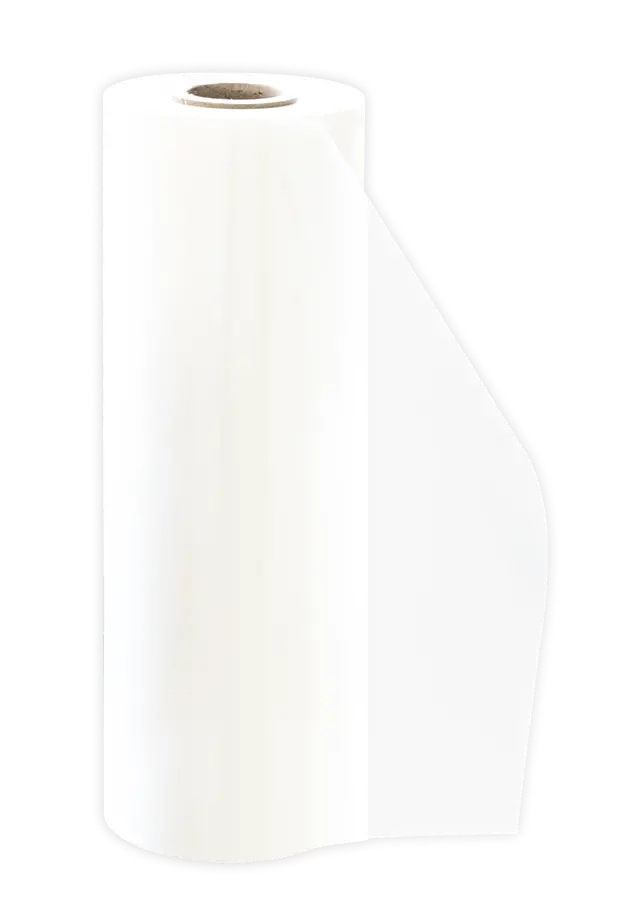
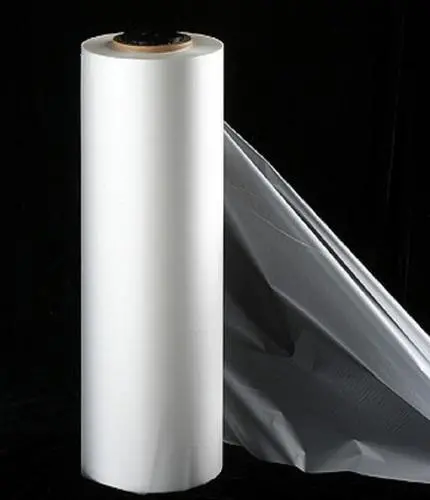
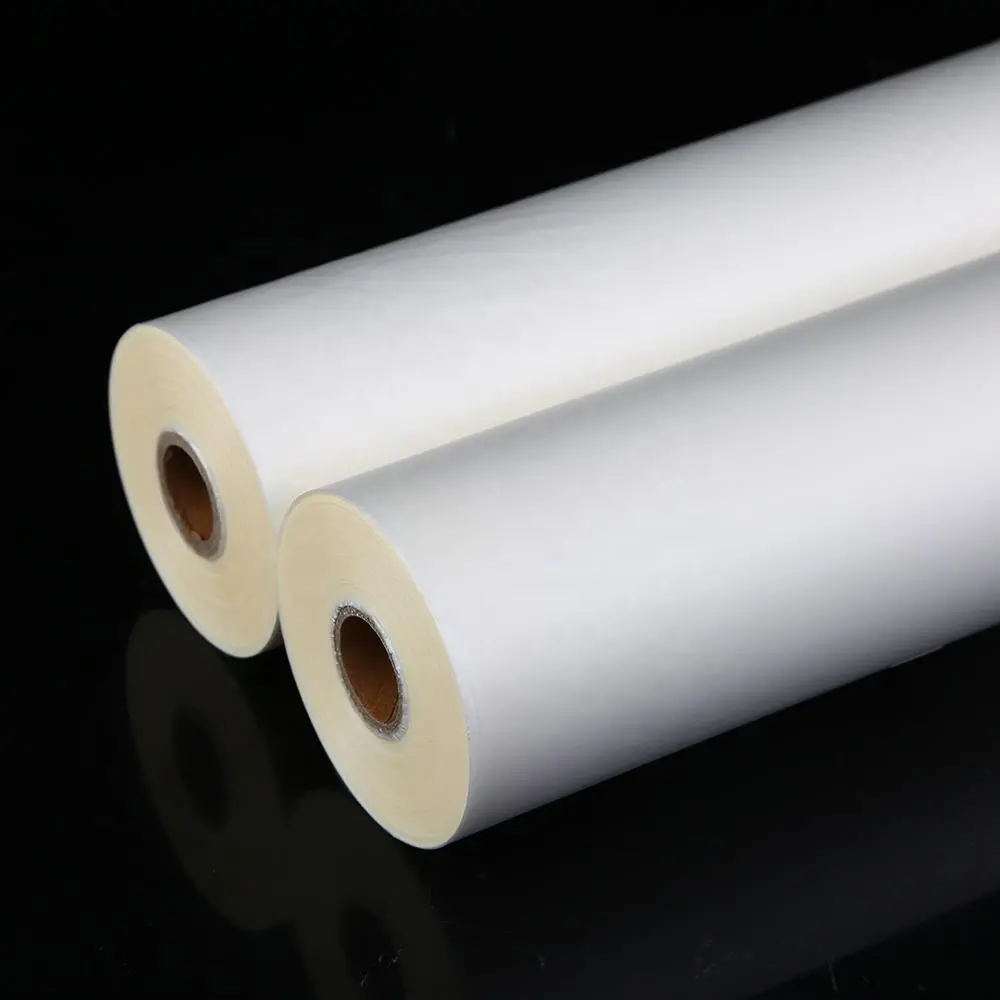
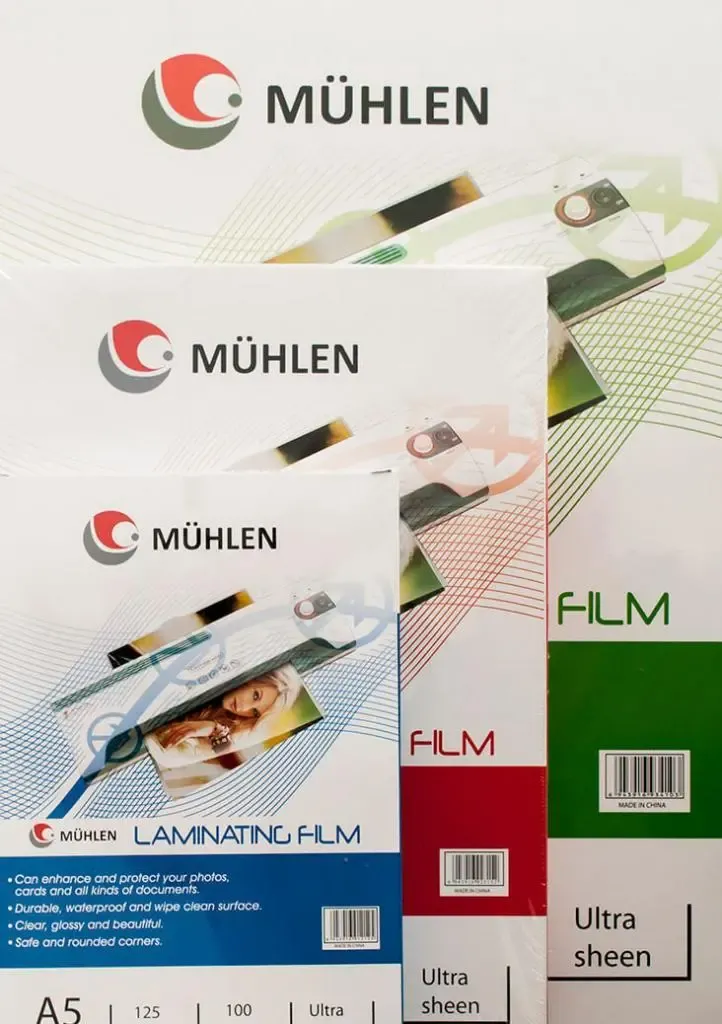
  • Consumable film compatibility: Consumables such as MÜHLEN laminating films and the MÜHLEN V27-32 thermal cellophane film must be compatible with the machine.

Frequently Asked Questions

What does a laminating machine do?

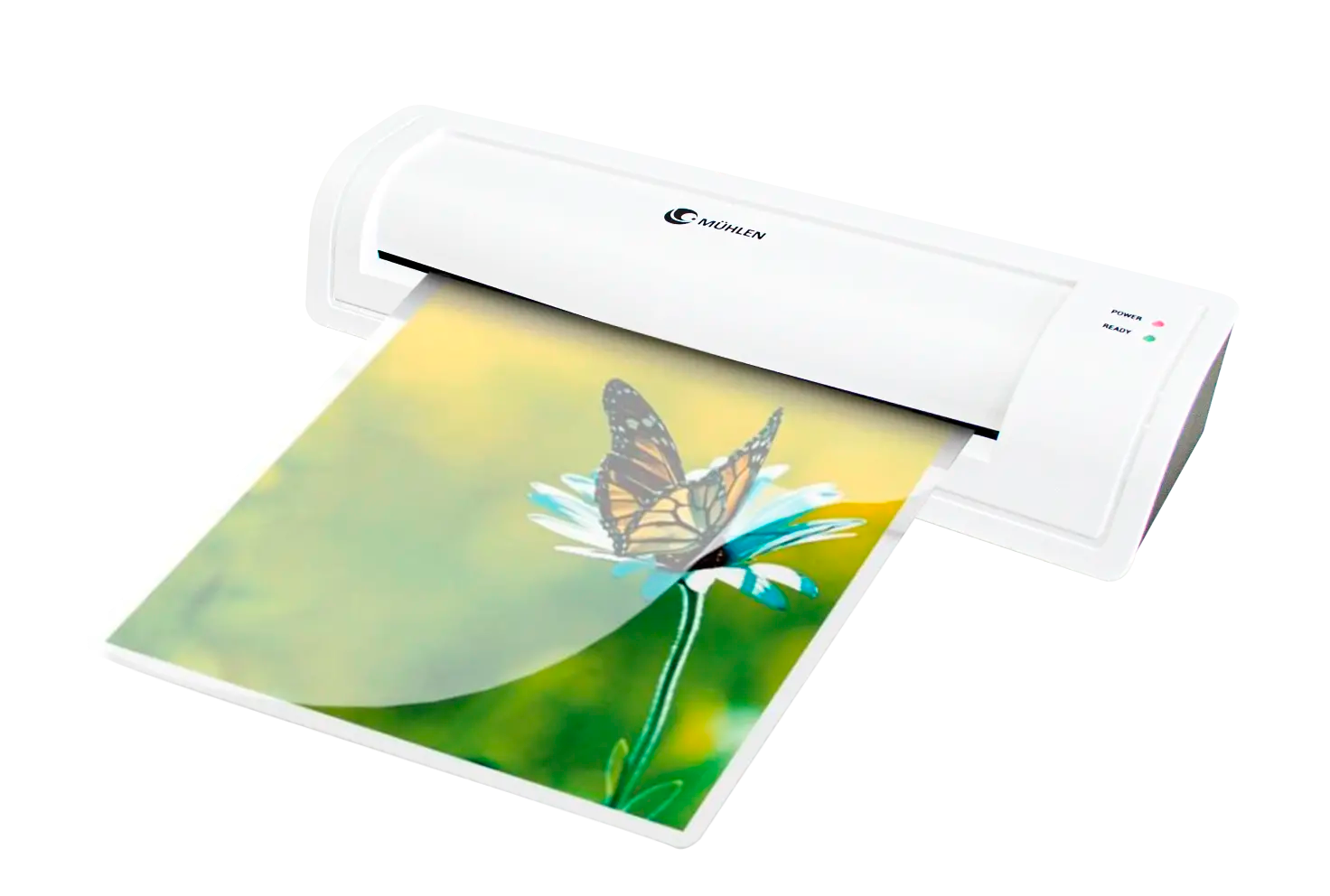
A laminating machine coats documents such as paper or cards with PVC film to make them more durable. It protects the document against wear, dirt, moisture and deformation caused by frequent use.

What is the difference between an A4 and an A3 laminating machine?

A4 laminating machines are suitable for smaller documents, ID cards and standard office paperwork. A3 laminating machines can also laminate A4 documents and offer more flexible use for menus, educational materials, announcements or larger visuals.

Is a cellophane machine the same as a laminating machine?

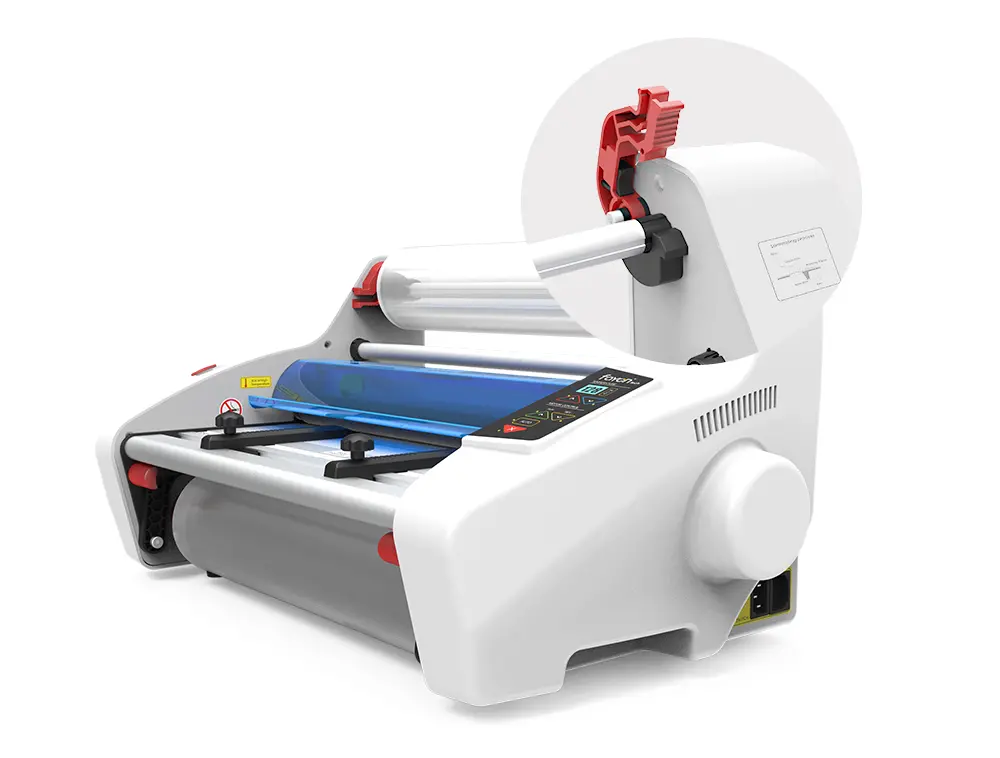
Although the purpose is similar, the application area and film structure can differ. Laminating machines usually coat the document with film on both sides. Cellophane coating, on the other hand, is used in more professional processes to apply film to the surface of printed jobs.

Which laminating machine is suitable for home and small office use?

A4 or economical A3 models can be sufficient for home and small office use. The size of the documents to be laminated, frequency of use and film thickness should determine your choice.

Which features are important for stationery shops?

For stationery and photocopy centers, priorities include fast warm-up, A3 support, a motor suited to heavy use, smooth pass-through, compatibility with different film thicknesses and easy maintenance.

What should be considered when choosing laminating film?

Film size, micron thickness and machine compatibility should be evaluated together. Very thick film may not be suitable for every machine, so check the film range supported by the machine.