
Binding Machines

Mühlen binding machines offer professional solutions for turning proposal files, catalogs, reports, training materials, presentations, user manuals and corporate documents into neatly bound booklets.

We ship internationally on request — delivery time and cost are confirmed before your order.Details

Which binding machine is right for you?

Tell us the binding type and your daily volume, and we will choose the right model together.
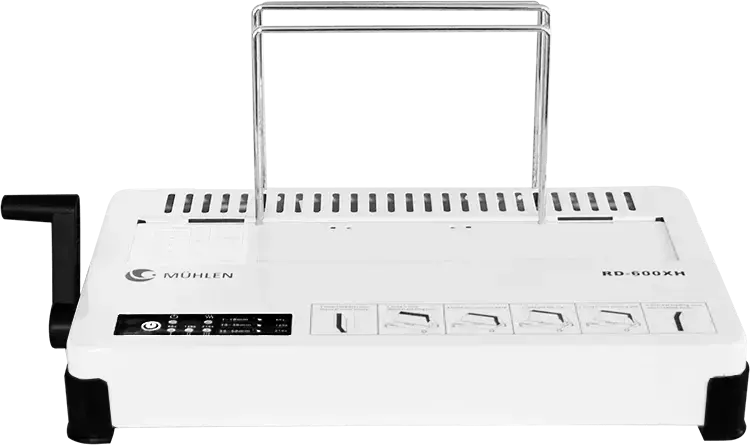
Mühlen RD-600XH
-31%Mühlen RD-600XH
₺8.000₺5.500
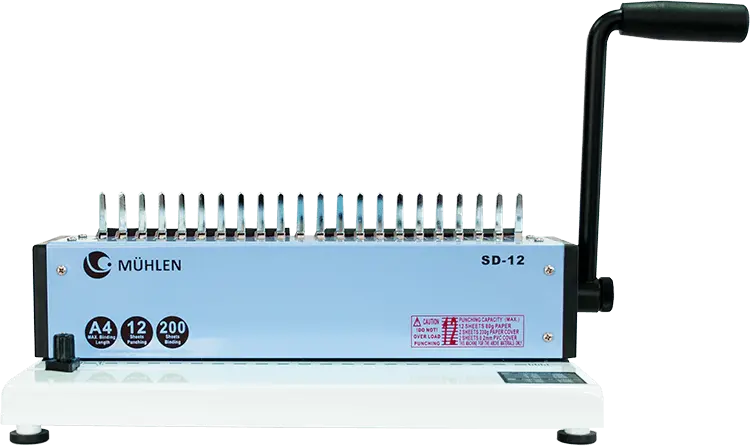
Mühlen SD 12
-30%Mühlen SD 12
₺10.000₺7.000
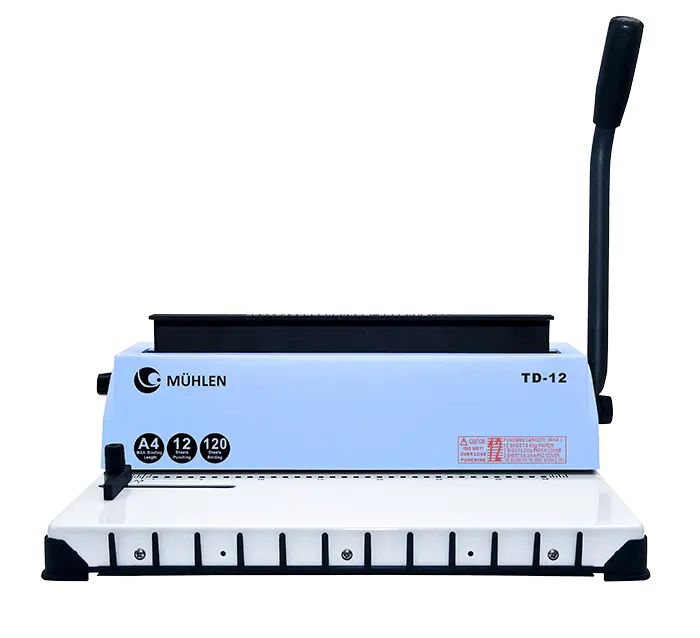
Mühlen TD-12
Mühlen TD-12
Request a quote
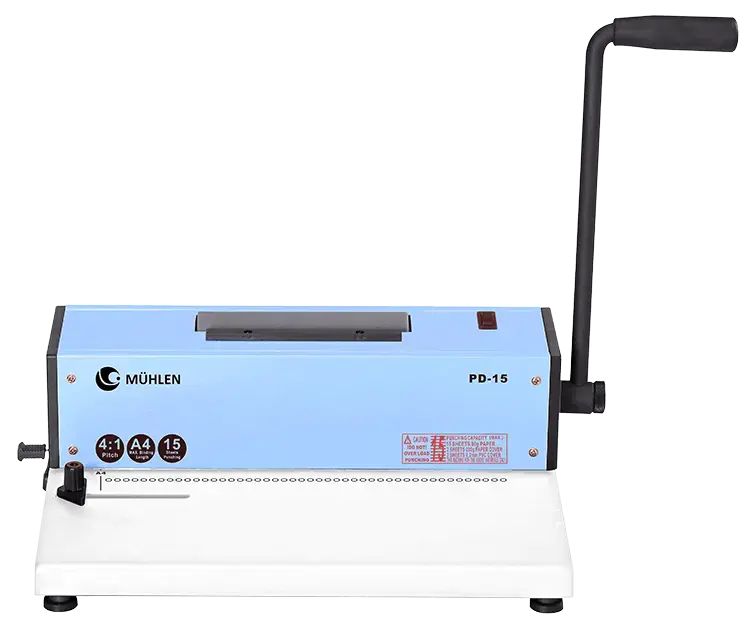
Mühlen PD 15
-31%Mühlen PD 15
₺13.000₺9.000
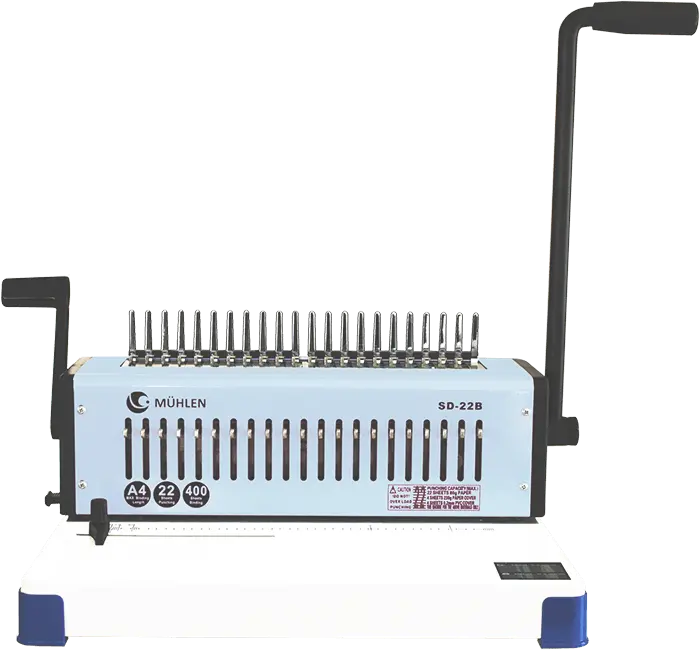
Mühlen SD-22B
Mühlen SD-22B
Request a quote
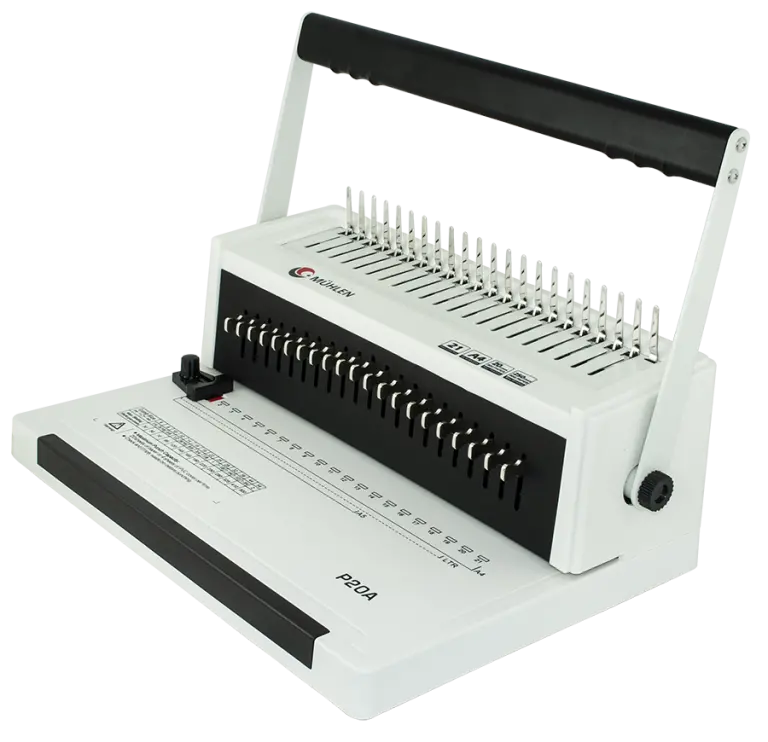
MÜHLEN P20A
Mühlen P20A
Request a quote
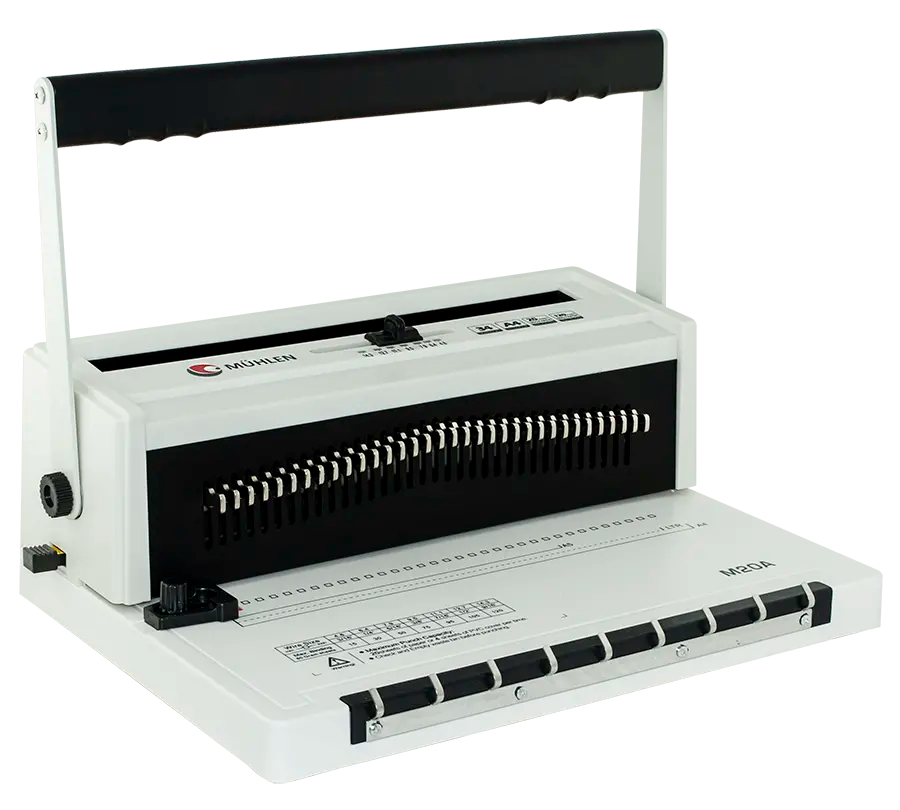
Mühlen M20A
Mühlen M20A
Request a quote
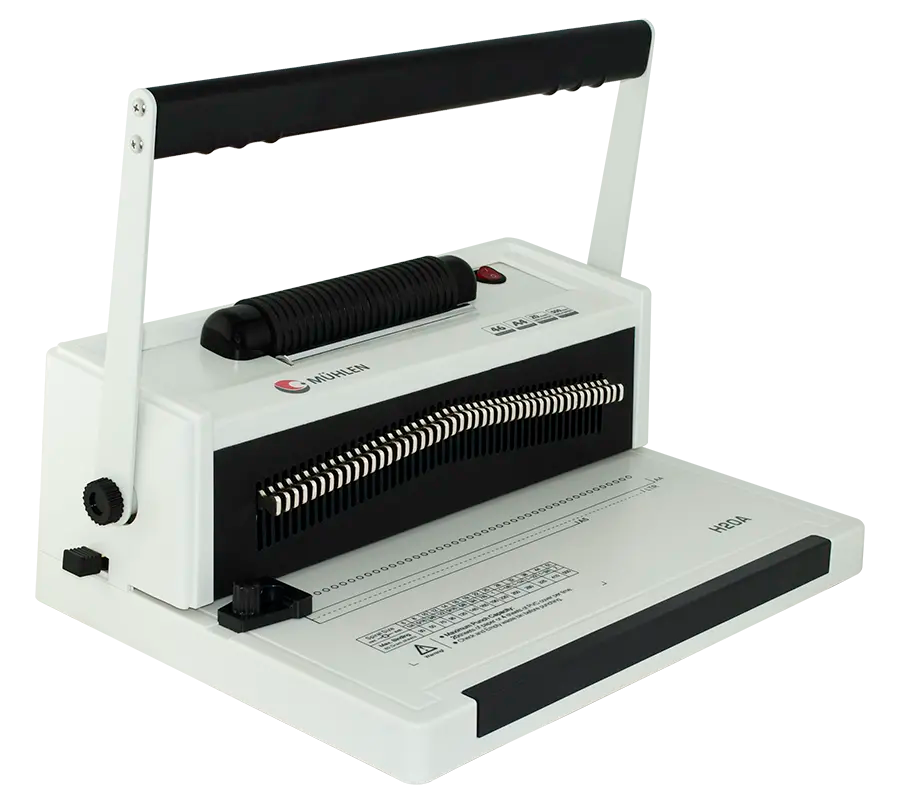
Mühlen H20A
Mühlen H20A
Request a quote
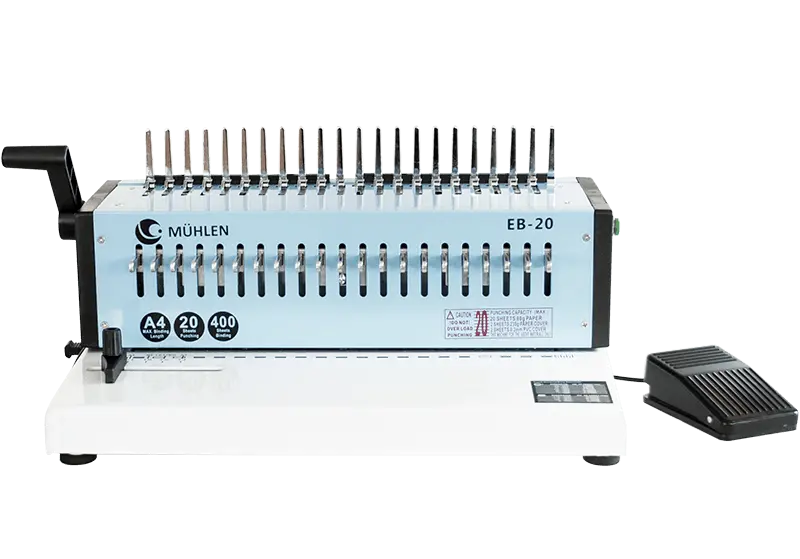
Mühlen EB-20
Mühlen EB-20
Request a quote
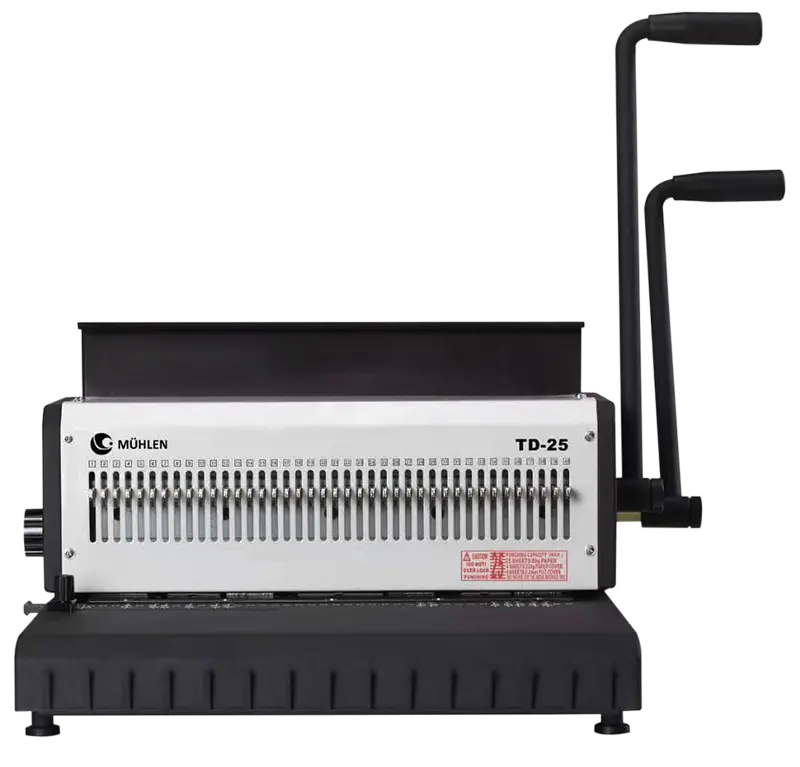
Mühlen TD-25
Mühlen TD-25
Request a quote
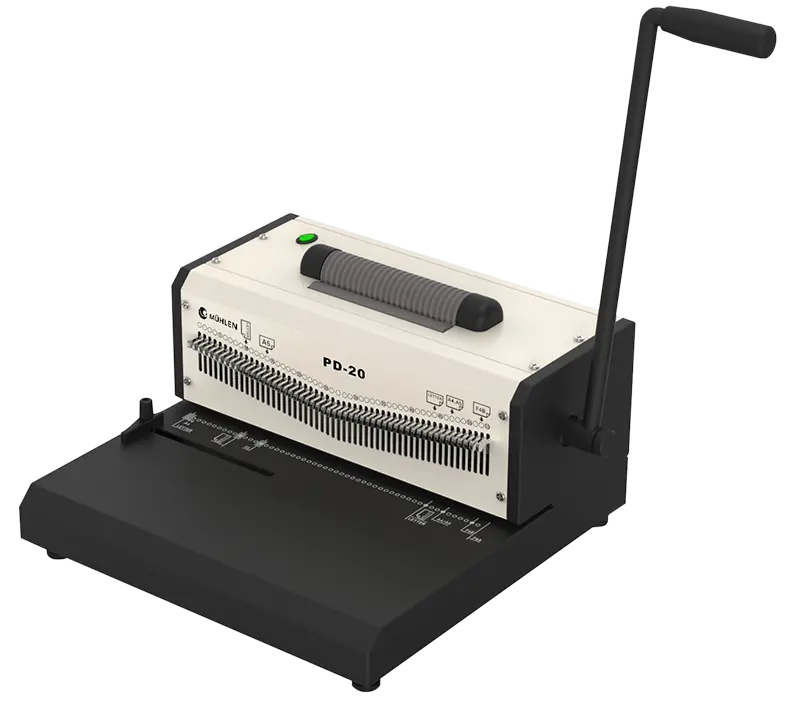
Mühlen PD20
Mühlen PD20
Request a quote
Mühlen TCM 111
Mühlen TCM 111
Request a quote
Mühlen TCM 77
-33%Mühlen TCM 77
₺90.000₺60.000
Mühlen TCM 97
Mühlen TCM 97
Request a quote
Mühlen Pens 5
Mühlen Pens 5
Request a quote
MÜHLEN K100
MÜHLEN K100
Request a quote
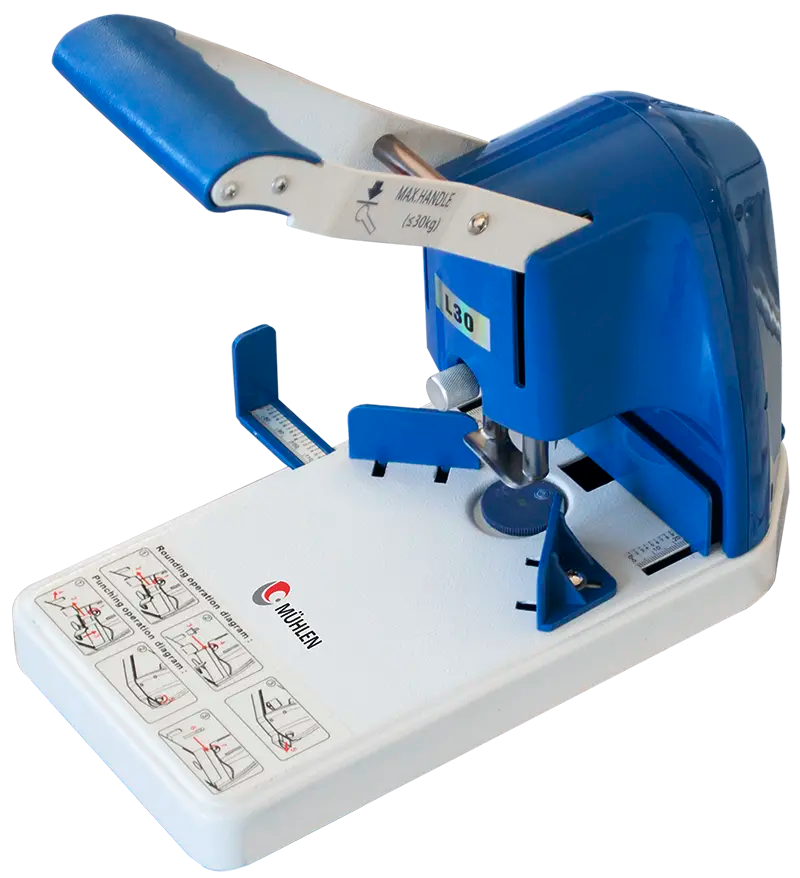
MÜHLEN L30
Mühlen L30
Request a quote
MÜHLEN L777
Mühlen L777
Request a quote
MÜHLEN Deckel
Mühlen Deckel
Request a quote

Let us choose by binding type

Plastic comb, wire, coil or thermal — the binding type and your daily volume decide the model. Tell us what you need and we will review the options with you.

Category Summary

Manual spiral/wire models for low-volume office and school use; professional punching-binding systems for stationery stores, print shops and busy offices; and thermal or glue binding machines for jobs requiring a booklet or catalog look all stand out. For document cutting before binding, see the guillotine cutting machines category; for cover and page protection, the laminating machines category; and for secure destruction of old documents, the paper shredders category can also be explored.

Binding Machine Selection Guide

Choosing the right binding machine should be based on the number of files to be prepared, page capacity, binding type, punching intensity and the expected presentation quality. Manual spiral or wire binding machines may be sufficient for home and small office use; for stationery stores, schools, print shops, photocopy centers and corporate offices, electric punching, professional coil closing, thermal binding or glue binding solutions can be more efficient.

Which Binding Type Suits Which Job?

Use Cases

  • Office reports and proposal files: Spiral or wire binding can be preferred for a tidy appearance, easy page turning and archiving.
  • School and educational documents: Manual or professional spiral binding machines offer a practical solution for preparing training materials, worksheets, lecture notes and booklets.
  • Stationery stores and photocopy centers: Offering spiral, wire and thermal binding options together provides an advantage in meeting different customer demands.
  • Print shops and professional catalog production: Glue or thermal binding machines stand out for higher-volume catalog and booklet jobs that require a quality cover appearance.
  • Corporate presentations and archiving: Sturdy, legible binding ensures long-term usability for documents such as management reports, HR files, technical documents and user manuals.

Features to Consider When Buying a Binding Machine

  • Binding type: Spiral, wire, coil, thermal or glue binding options should be chosen according to presentation expectations.
  • Punching capacity: The number of sheets that can be punched at once directly affects processing speed.
  • Binding capacity: The maximum page thickness of the file to be prepared must be compatible with the machine and its consumables.
  • Manual or electric design: Manual models may be sufficient for low-volume use; electric punching and automatic systems save time for high-volume jobs.
  • Consumable compatibility: Consumables such as plastic spiral, metal wire, coil, thermal cover or glue cover must be compatible with the machine type.
  • Final appearance: Cover quality, corner cutting and how the file opens affect the professional impression in proposals, catalogs and corporate presentations.

Frequently Asked Questions

What is a binding machine used for?

A binding machine is used to turn multi-page documents into neat booklets using spiral, wire, coil, thermal cover or glue methods. It provides a professional look for reports, presentations, catalogs, training documents and proposal files.

What is the difference between spiral binding and wire binding?

Spiral binding offers flexible use and easy page turning. Wire binding provides a more corporate and tidy appearance. The intended use, file thickness and presentation expectations determine the choice.

When is thermal binding preferred?

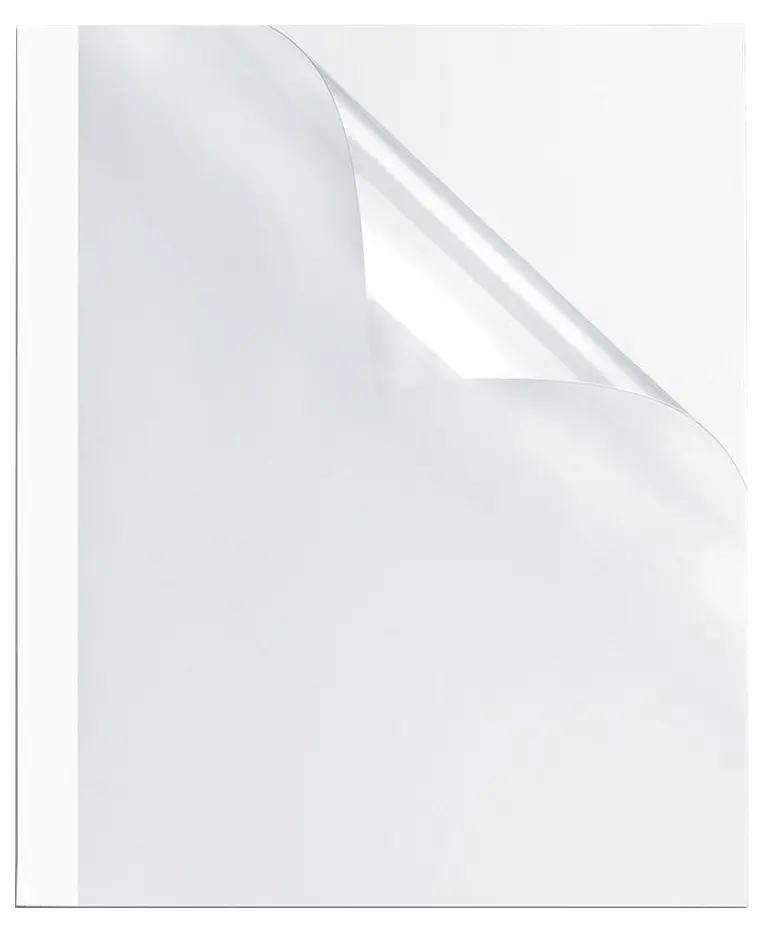
Thermal binding is preferred when a cleaner, more booklet-like appearance with glued covers is desired. It delivers a professional result for catalogs, reports and corporate presentations.

Which binding machine is suitable for an office?

Manual spiral or wire binding machines may be sufficient for low- and medium-intensity offices. For regular, high-volume use, electric punching or professional binding machines work more efficiently.

Which features are important for a stationery store?

For stationery stores and photocopy centers, supporting different binding types, high punching capacity, a sturdy body, fast processing and consumable compatibility are important. As customer variety increases, spiral, wire and thermal options should be evaluated together.

What should be checked when choosing binding consumables?

When choosing consumables, the binding type, document thickness, cover structure and machine compatibility should be checked. Plastic spiral, metal wire, coil and thermal covers each require a different machine structure.