

Request a quote
- 420 mm feed width
- Quiet operation below 55 dB
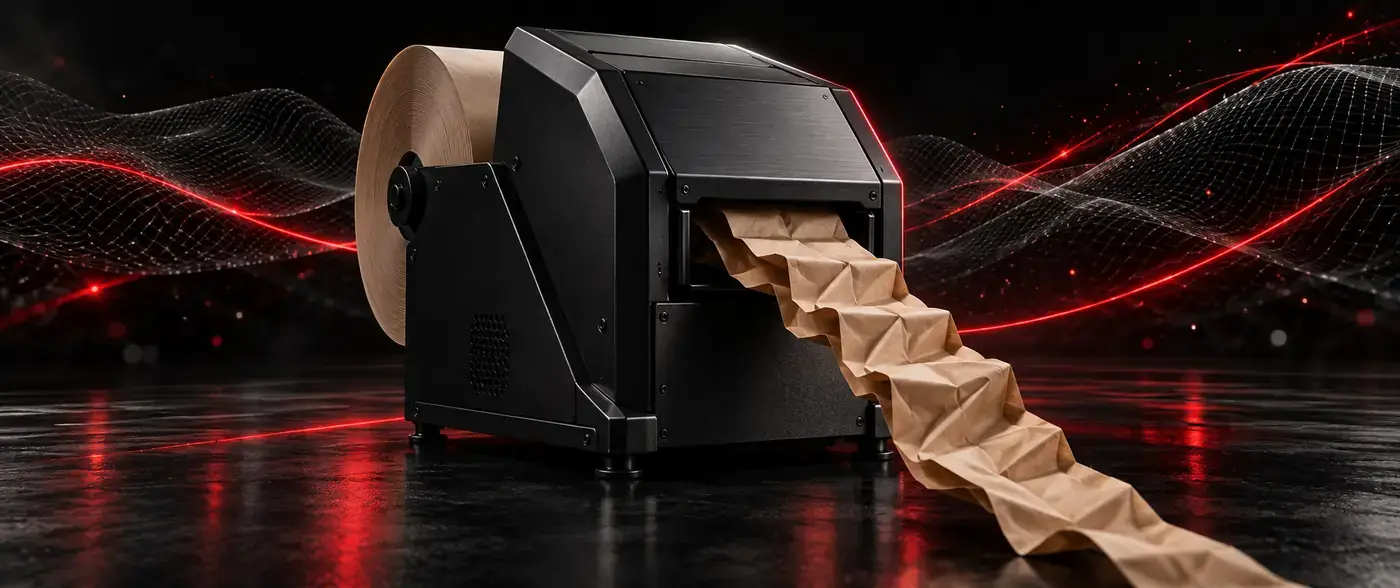
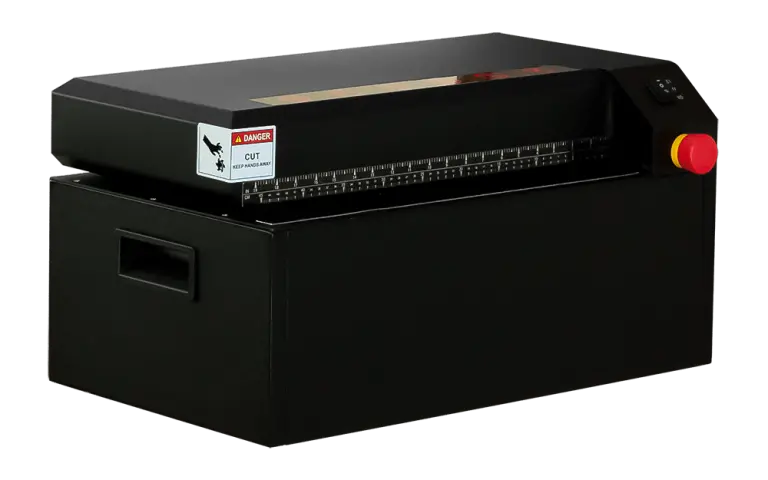
Mühlen packaging filler machines present eco-friendly cardboard filling solutions for businesses in cargo, e-commerce, warehouse, shipping and freight processes that want to fill empty space inside boxes, protect products against impact and friction, and reduce packaging costs.
Which packaging filler machine is right for you?
Tell us how many parcels you ship a day and what cardboard you use, and we will choose the right model together.
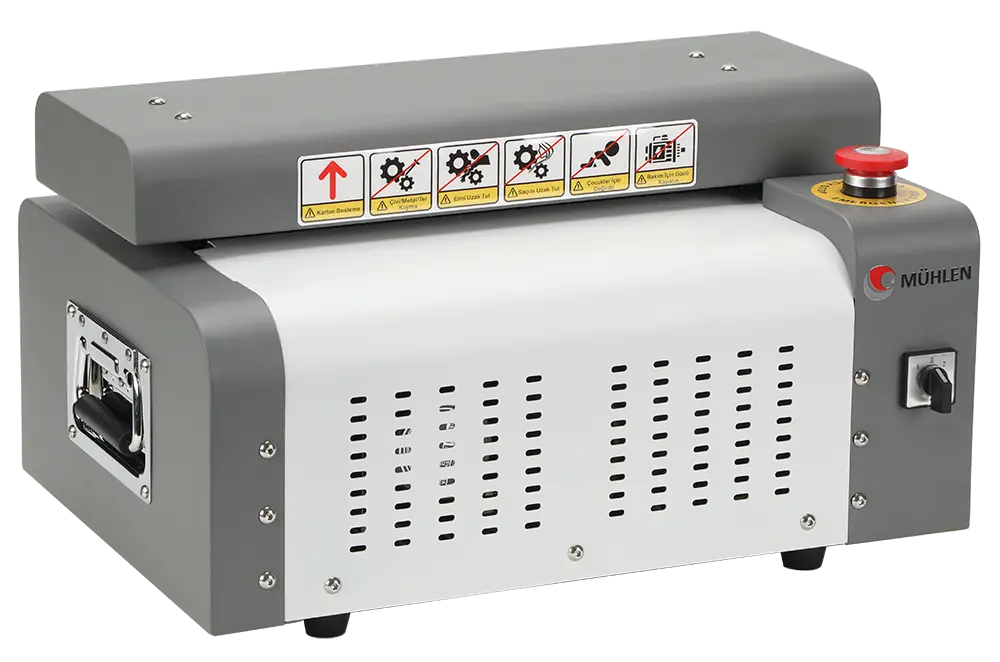
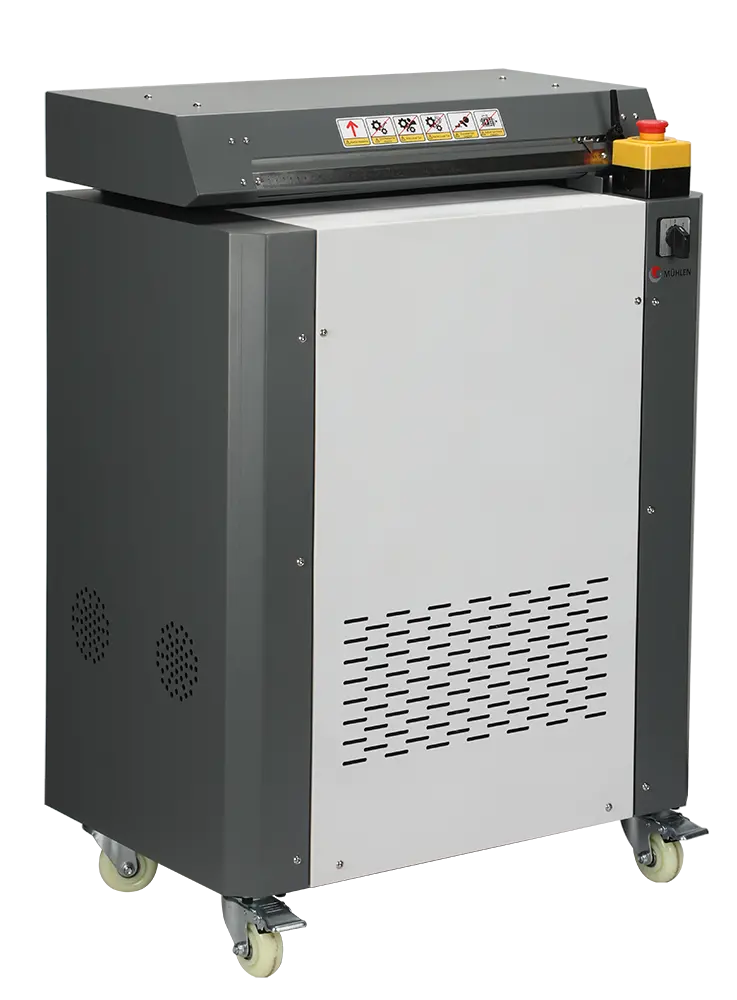
Your daily number of shipments, the width of the cardboard you will turn into filler and your working space decide the model. Send us the details and we will review them with you.
Cardboard filler machines aim to cut unused cardboard and turn it into flexible, protective filling material. For packaging operations, you can also explore guillotine cutting machines for cutting preparation, paper shredders for document and archive processes, and binding machines and laminating machines for office and document preparation.
Packaging filler machines help prepare the filling material used to reduce product movement inside boxes during cargo and shipping. Also known as cardboard filler machines, these solutions convert unused cardboard into flexible, crimped or bulky filling material, providing product protection, cost control and recycling benefits.
A packaging filler machine helps prepare the filling material placed inside boxes to protect products during cargo and shipping. Cardboard filler machines aim to convert suitable cardboard into protective packaging filling.
E-commerce warehouses, cargo preparation areas, manufacturers, wholesalers, retail shipping teams and recycling-focused businesses can all consider the need for a cardboard filler machine.
Reusing suitable cardboard as filling material can reduce the consumption of ready-made packaging filler. The actual cost advantage varies depending on daily shipping volume, the amount of cardboard used and the packaging standard.
In many shipping scenarios, cardboard filling can be considered an alternative to plastic air pillows or foam material. The product's fragility, weight and transport conditions should be the determining factors in the choice.
The daily number of packages, product fragility, box dimensions, the type of cardboard to be used, the work area, maintenance needs and service support should all be evaluated together.