
Laminating Film Guide: Pouches vs Roll Film, Micron Thickness, Hot and Cold Lamination
Choosing laminating film: pouches vs roll film, which micron thickness, hot vs cold lamination, gloss or matte, BOPP film and roll laminating machines.
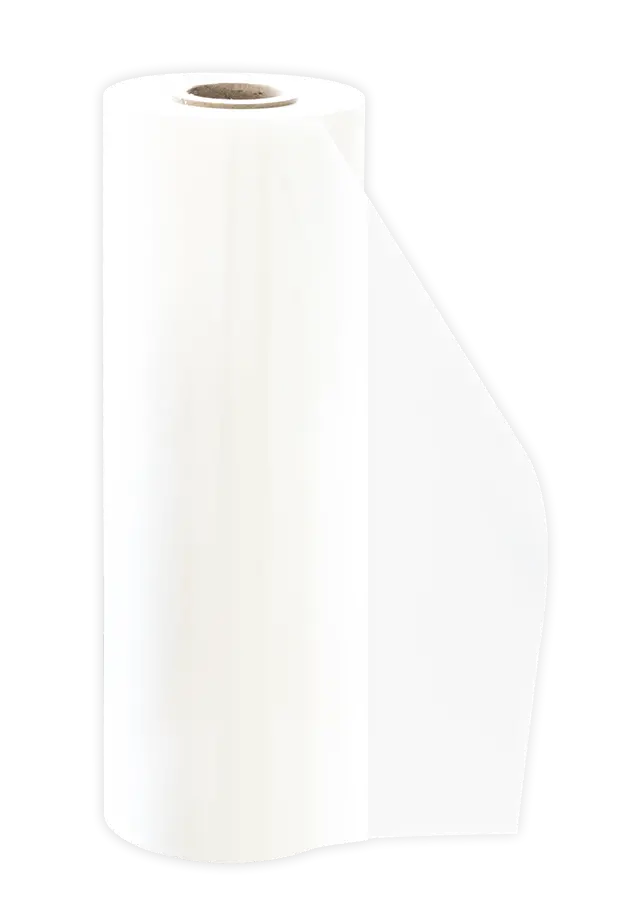
Laminating film is a clear plastic film with an adhesive inner layer that melts with heat, used to coat documents in a laminating machine. There are two main types: ready-cut laminating pouches, into which the document is placed, and roll film, used in roll laminators. To choose the right film, consider size, thickness (micron), finish (gloss or matte) and whether you need hot or cold lamination. All films and machines are on our laminating machines and laminating films page.
Last updated: 24 November 2026
Short answer: For laminating single documents in an office or school, use A4 or A3 pouches; 100–125 micron is enough for most documents, and 150 micron is sturdier for menus and ID cards. For posters, technical drawings and batch work, roll film (Mühlen RULO-A1-125, RULO-A2-125) saves time and waste. Print shops use 27 micron thermal BOPP film (V27-32, V27-45) to give prints a thin protective layer. For photos and thermal paper, choose cold lamination.
Laminating Pouches or Roll Film?
- Laminating pouches: Two film layers joined on one edge and cut slightly larger than the document. The document goes inside and the pouch is run through a standard pouch laminator. No cutting is needed, which makes pouches practical for single jobs. Mühlen Beutel XXX pouches come in A2, A3, A4, A5 and A6 sizes with 100, 125 and 150 micron options and work with laminating machines of any brand.
- Roll laminating film: A long roll of film is mounted on a roll laminator; documents are fed one after another and cut afterwards. It is economical for large formats and high volumes. RULO-A1-125 is 605 mm wide and RULO-A2-125 is 426 mm wide; both are 200 metres long and 125 micron, and bond at 80–120°C.
- Thermal BOPP (cellophane) film: A 20–30 micron roll film used by print shops to give book covers, brochures and posters a thin protective layer. V27-32 (320 mm) and V27-45 (450 mm) are 27 micron, 200 metres, ultra gloss and solvent-free.
What Is a Micron and Which Thickness Should You Choose?
A micron (µm) is the film thickness; 1 micron is one thousandth of a millimetre. Thicker film makes the laminated document stiffer, keeps it from curling and makes it last longer; but if the film is thicker than the machine supports, it will not bond properly or the machine will jam.
- 75–80 micron: Thin, flexible protection for short-term notices and teaching material.
- 100–125 micron: Office documents, certificates, price lists; the most common thickness.
- 150 micron: Menus, ID cards and cards handled often; stiffer and more durable.
- 175–250 micron and above: Very stiff cards and outdoor use; only in professional machines that support 250–350 micron (Iron, FLEX, VL-602).
Note: The micron value is sometimes given per layer and sometimes as the total of both layers. For pouches it usually refers to one layer, so a "125 micron" pouch is 250 micron in total. Mühlen product pages show this with "(×2)" or "double layer": for example, the Elegant DL 805 takes 80–125 micron per layer, or 160–250 micron as a double layer.
Hot vs Cold Lamination
In hot lamination, the heated rollers melt the film's adhesive layer and fuse it to the document; it gives the strongest and glossiest result on standard paper. Cold lamination uses no heat; a pressure-sensitive adhesive film bonds under roller pressure. Photos, inkjet prints, thermal paper (receipts, shipping labels) and heat-sensitive materials need cold lamination.
- Cold laminating machine: On machines with a cold mode, heating is switched off and only roller pressure is used. Many Mühlen models such as the Elegant 3AF, Iron 630-A3, the FLEX series and the V480 support both modes.
- Hot laminating machine: Economical models such as the Elegant 632-A3 and 622/A4 are designed for hot lamination and are sufficient for standard documents.
Gloss or Matte?
Gloss film makes colours look vivid and suits photos, posters and promotional prints. Matte film does not reflect light, can be written on with a pen and does not show fingerprints; it is preferred for menus, maps and documents that are read often. The V480 BOPP laminating machine applies both gloss and matte finishes with BOPP, PET and PVC films.
Which Machine Uses Roll Film?
Roll film cannot be used in a pouch laminator; it needs a roll laminator or a BOPP film laminating machine:
- V350: Applies 20–30 micron BOPP film and 80–250 micron PVC laminating film on the same machine; 0–180°C digital temperature, cold and single/double-sided modes, 1.1 metres per minute.
- V480: 450 mm width, 20–250 micron film range, hot and cold BOPP lamination, 1.1 metres per minute.
- V761: 350 mm feed, 4 internally heated rollers and 2 cylinders, 1.5 metres per minute; it detects the document itself and stops when the job is done.
Common Mistakes When Using Laminating Film
- Feeding before the machine is warm: The film does not melt fully and bubbles or cloudiness remain. Wait for the ready light.
- Film thicker than the machine supports: This causes jams and partial bonding. Check the machine's micron range.
- Placing the document against the edge of the pouch: Leave a few millimetres around the edges so the film seals to itself and stays waterproof.
- Feeding the pouch open edge first: Pouches are fed with the sealed edge first.
- Hot lamination on heat-sensitive prints: Thermal receipts turn black and photos can be damaged; use cold mode.
For step-by-step use, see our article what does a laminating machine do.
Frequently Asked Questions
What is laminating film used for?
It encloses the document between two plastic layers and protects it against water, dust, stains and wear; it also makes the document stiffer and gives it a gloss or matte surface.
What micron laminating pouch should I buy?
100–125 micron is enough for most office documents. Choose 150 micron for frequently used items such as menus and ID cards, and 250 micron or more for very stiff cards; do not exceed the range your machine supports.
Can roll laminating film be used in a pouch laminator?
No. Roll film needs a roll laminator or a BOPP film laminating machine (V350, V480, V761); it does not fit a pouch laminator.
Do laminating pouches fit every machine?
Pouches can be used regardless of brand as long as the size and thickness suit the machine; Mühlen Beutel XXX works with laminating machines of any brand. For roll film, the width and the machine's roll shaft size must match.
Are cold and hot laminating films the same?
No. Hot film uses an adhesive that melts with heat; cold film uses a pressure-sensitive adhesive. Hot film will not bond in cold mode.
How do you use a laminating pouch?
Warm up the machine, centre the document against the sealed edge of the pouch, feed the pouch straight in with the sealed edge first, and let the laminated document cool on a flat surface.
Who prepared this: The Mühlen expert team at Karadeniz Dış Ticaret, the Mühlen distributor in Türkiye. How it was prepared: Model values were taken from the technical specifications on the product pages; values not found in the product data were not written or were left as "not specified". The text was written with AI assistance. Why: So you can compare the options that fit your needs before choosing a model.
Related Content
For the basics of lamination, see our article what does a laminating machine do; for models and films, see our laminating machines category.
To find the right film and machine, use the form on the product pages or contact us.